Project Overview
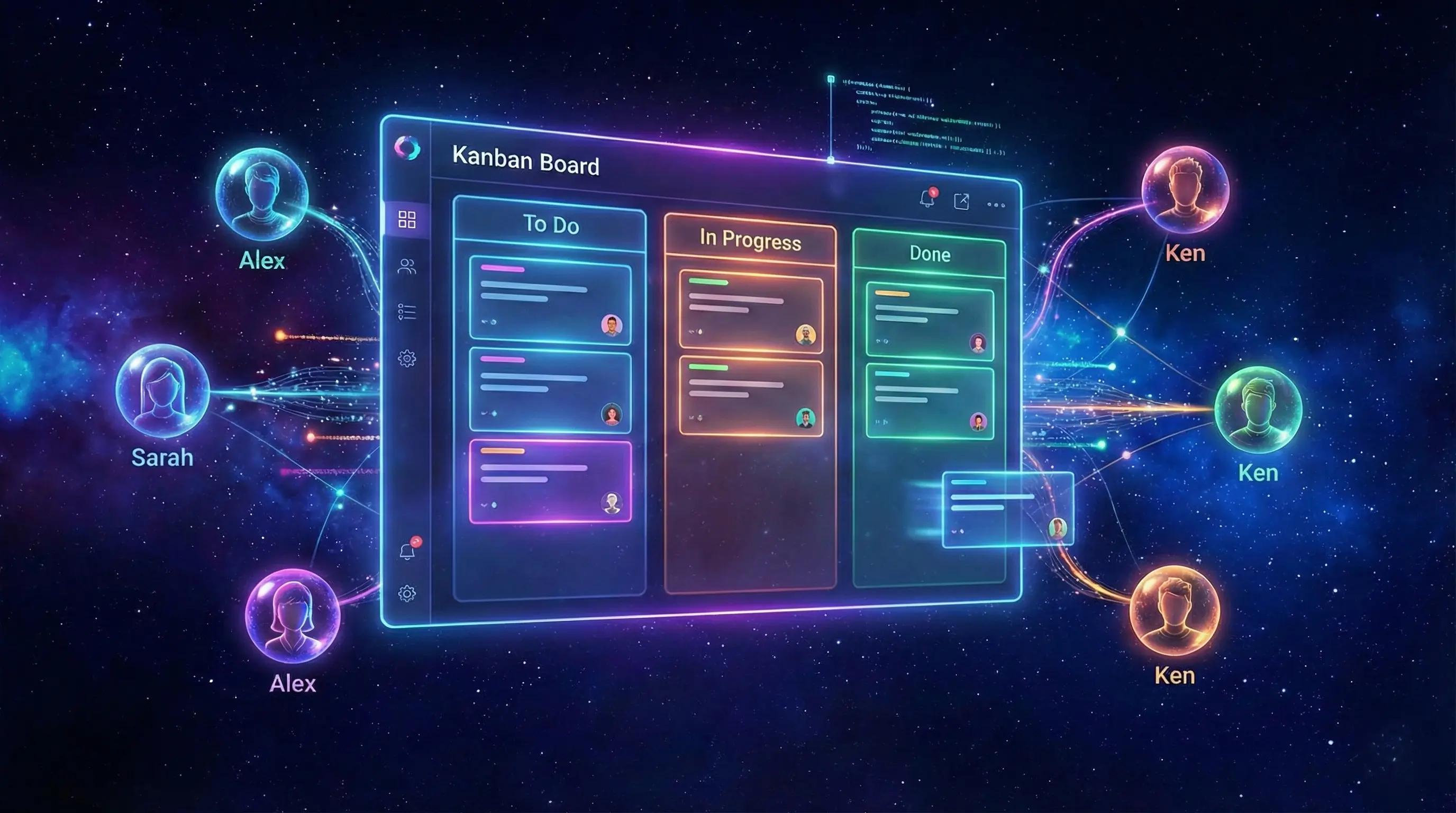
DevCollab Hub is an ambitious full-stack application designed to solve a common problem for student developers: disorganized collaboration. Inspired by tools like Trello and Jira, this platform provides a centralized, real-time workspace for managing projects, tracking tasks, and communicating with team members. The goal is to create a streamlined environment perfect for hackathons, group assignments, and personal project planning.
The Problem: Streamlining Student Collaboration
During group projects, communication and task tracking often become fragmented across Discord messages, Google Docs, and scattered notes. DevCollab Hub aims to consolidate this workflow into a single, intuitive dashboard, reducing administrative overhead and allowing developers to focus on what they do best: coding.
Key Features
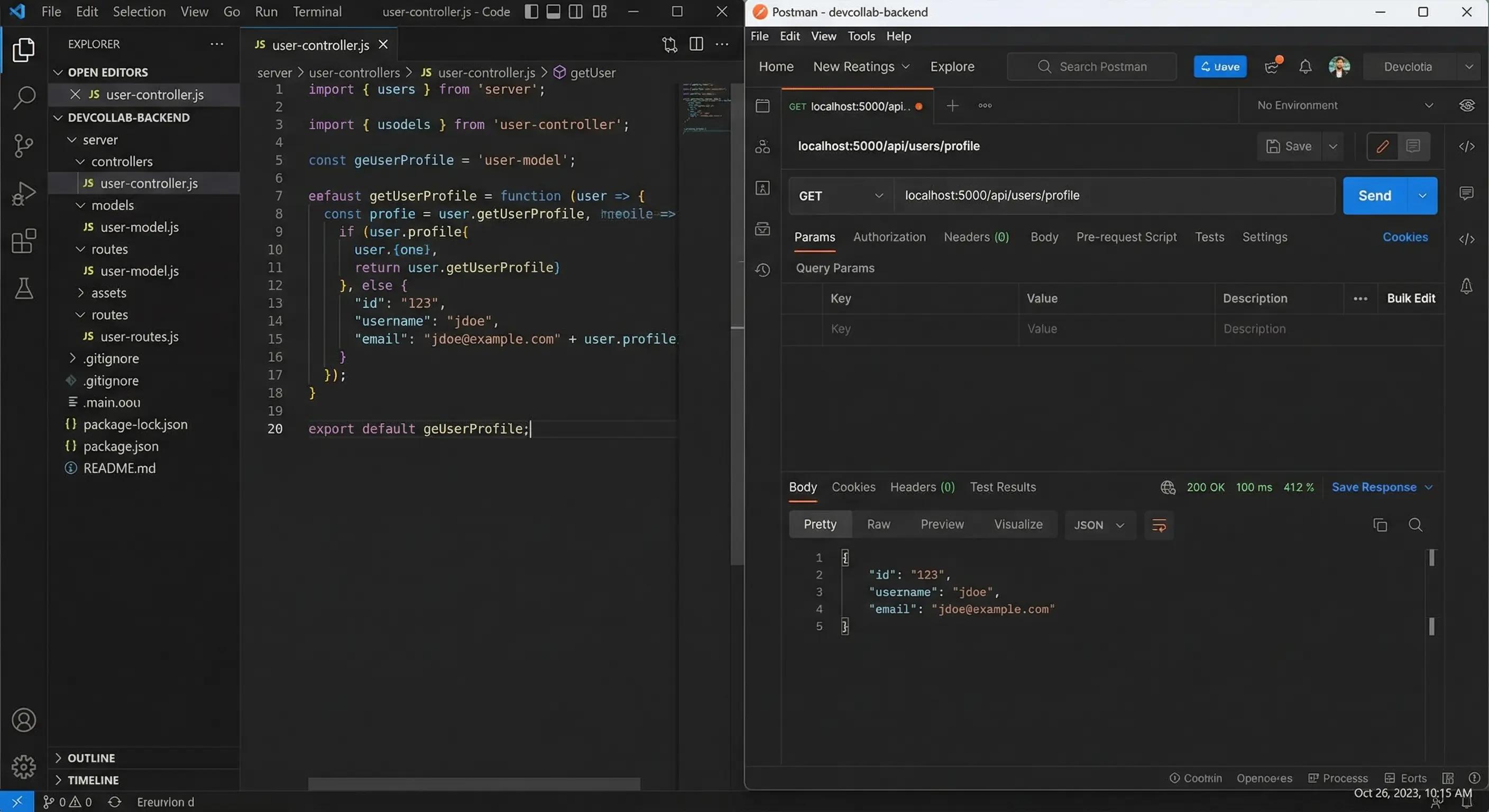
- Secure User Authentication: Users can sign up and log in securely. The backend uses JSON Web Tokens (JWT) to manage sessions and protect routes, ensuring that only authenticated users can access project data.
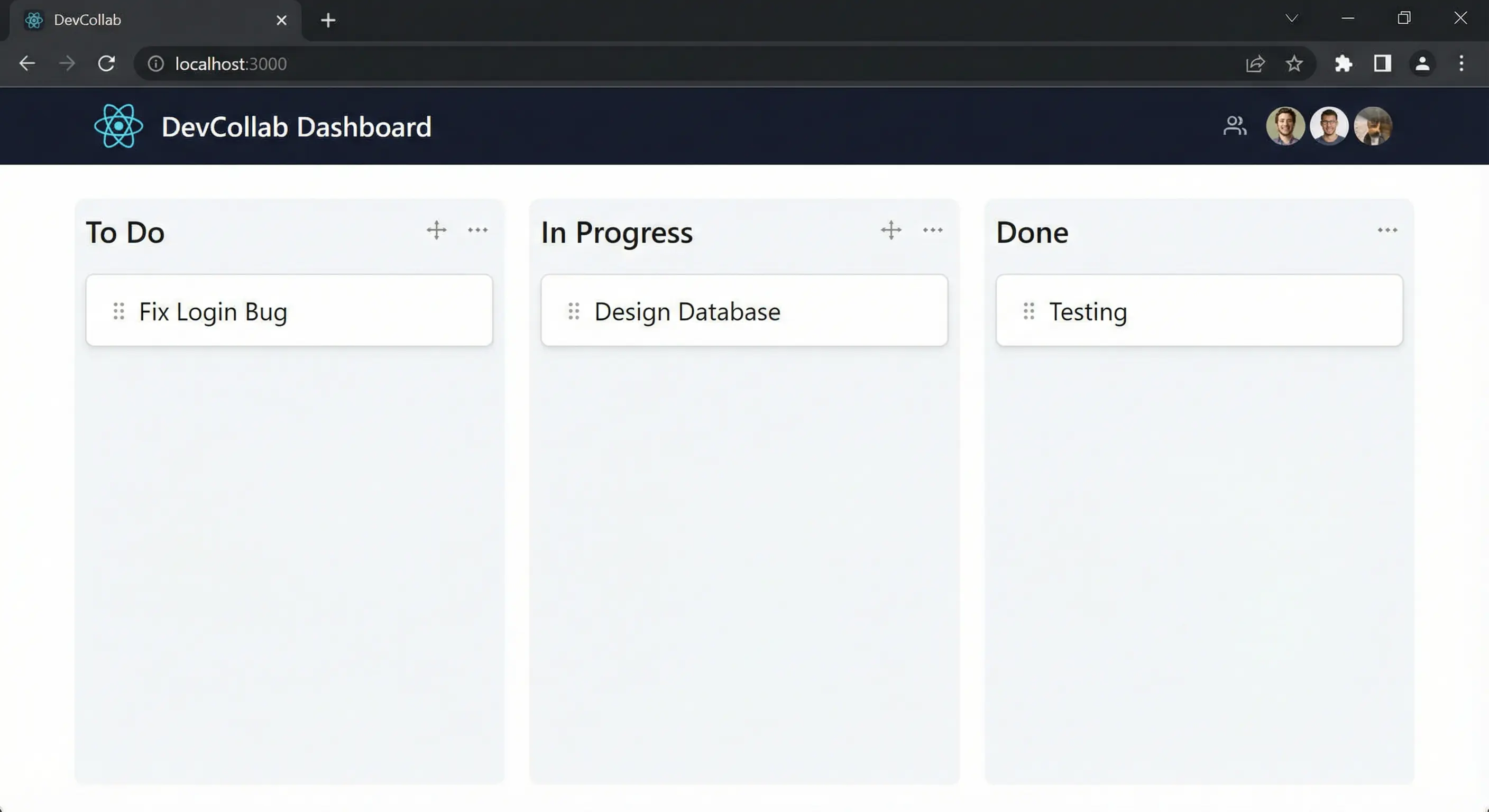
- Interactive Kanban Board: The core of the application is a drag-and-drop Kanban board. Users can create tasks, assign them to team members, and move them between columns (e.g., "To Do," "In Progress," "Done") to visually track progress.
- Real-time Collaboration: When one user moves a task, it moves instantly on every other team member's screen. This is achieved using WebSockets (via the Socket.io library), which establishes a persistent, two-way communication channel between the client and server.
System Architecture: The MERN Stack in Action
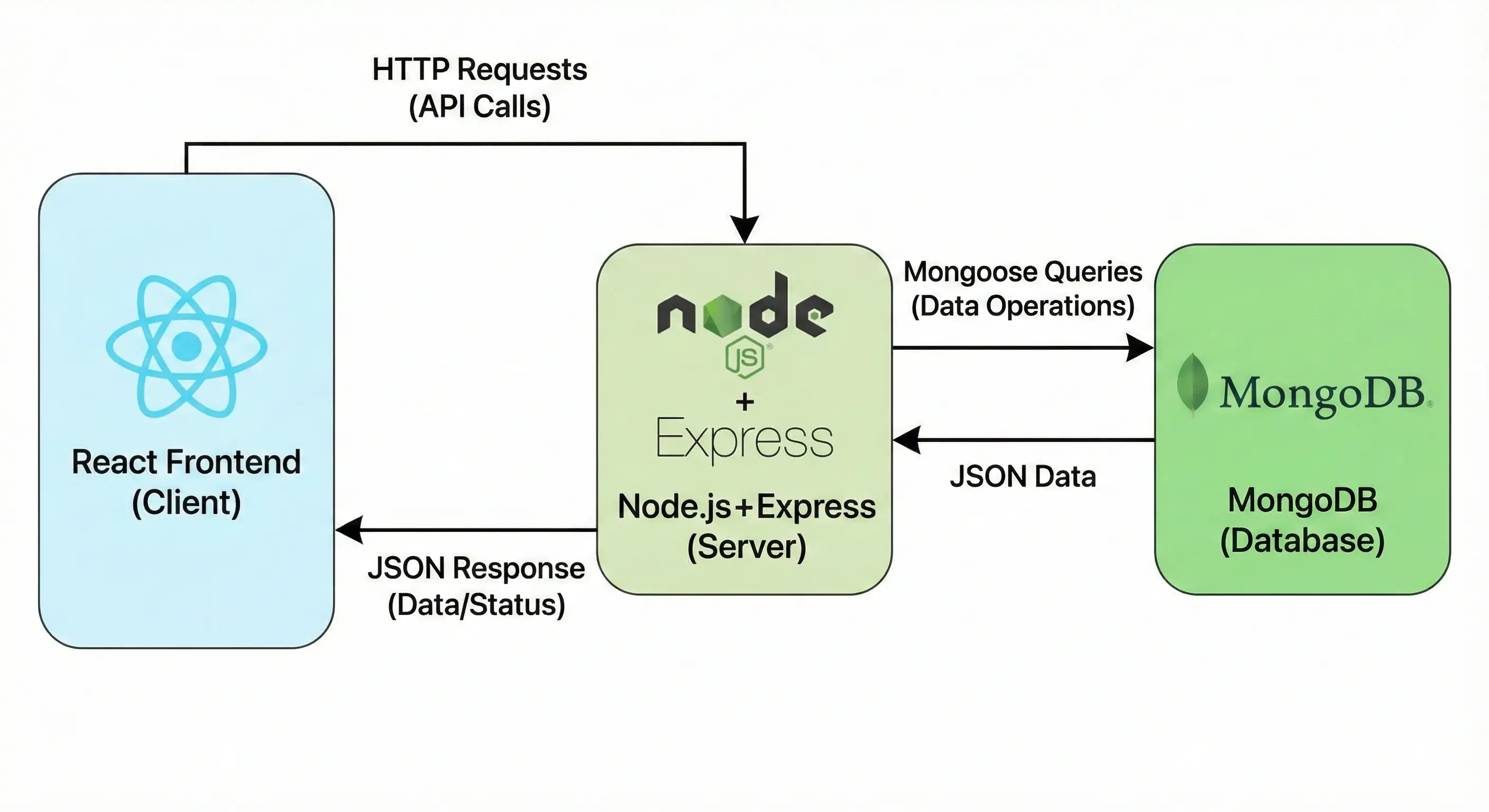
The application is being built with the popular MERN stack, chosen for its flexibility and use of JavaScript across the entire development pipeline:
- MongoDB: A NoSQL database that provides a flexible, JSON-like document structure, perfect for storing nested data like projects, task lists, and individual tasks.
- Express.js: A minimalist web framework for Node.js that provides a robust set of features for building the backend RESTful API. It handles routing, middleware, and requests.
- React: A powerful front-end library for building dynamic, component-based user interfaces. Its state management capabilities are ideal for handling the complex UI of the Kanban board.
- Node.js: The JavaScript runtime environment that allows us to run our Express server and execute backend logic.
To visualize how these technologies interact, here is the high-level architecture of the application:
Challenges and Future Scope
The primary technical challenge is managing the complex state of the application in real-time, ensuring data consistency across all connected clients. Implementing the drag-and-drop functionality while syncing with the backend database requires careful state management on the front-end and efficient API design. The future roadmap includes adding features like in-app chat, notifications, and integration with GitHub to link tasks directly to commits and pull requests.
Note: This project is currently in the active development phase. While core functionalities are being implemented, some diagrams and code snippets above are conceptual illustrations used to demonstrate the full architectural vision. Some visualizations were generated with AI assistance.