
India isn't just consuming AI anymore; we're building it. The India AI Impact Summit 2026 made it clear: the next wave isn't about chatbots. It's about infrastructure, ecosystems, and real-world deployment. For students like us, this shift changes everything.
Table of Contents
- The Bigger Signal Behind the Summit
- India’s Push Toward Sovereign AI
- The Rise of India’s Indigenous LLM Efforts
- India’s Emerging AI Startup Wave
- AI Is Converging with Full-Stack Development
- The Hype vs Reality Gap
- The Real Risks of Rapid AI Adoption
- Skills That Will Actually Matter
- Where Student Developers Have the Real Opportunity
- What This Means for My Own Roadmap
- The Future of AI in Education and Tech
- Where India’s AI Ecosystem Is Heading
- Challenges India Must Still Solve
- Final Thoughts
The Bigger Signal Behind the Summit
Conferences like this are signals, not just noise. Three things stood out to me: India is betting on sovereign AI, we're moving from experiments to production, and scalability is the new gold standard. This changes what skills will actually matter in the next few years.
🇮🇳 India’s Push Toward Sovereign AI
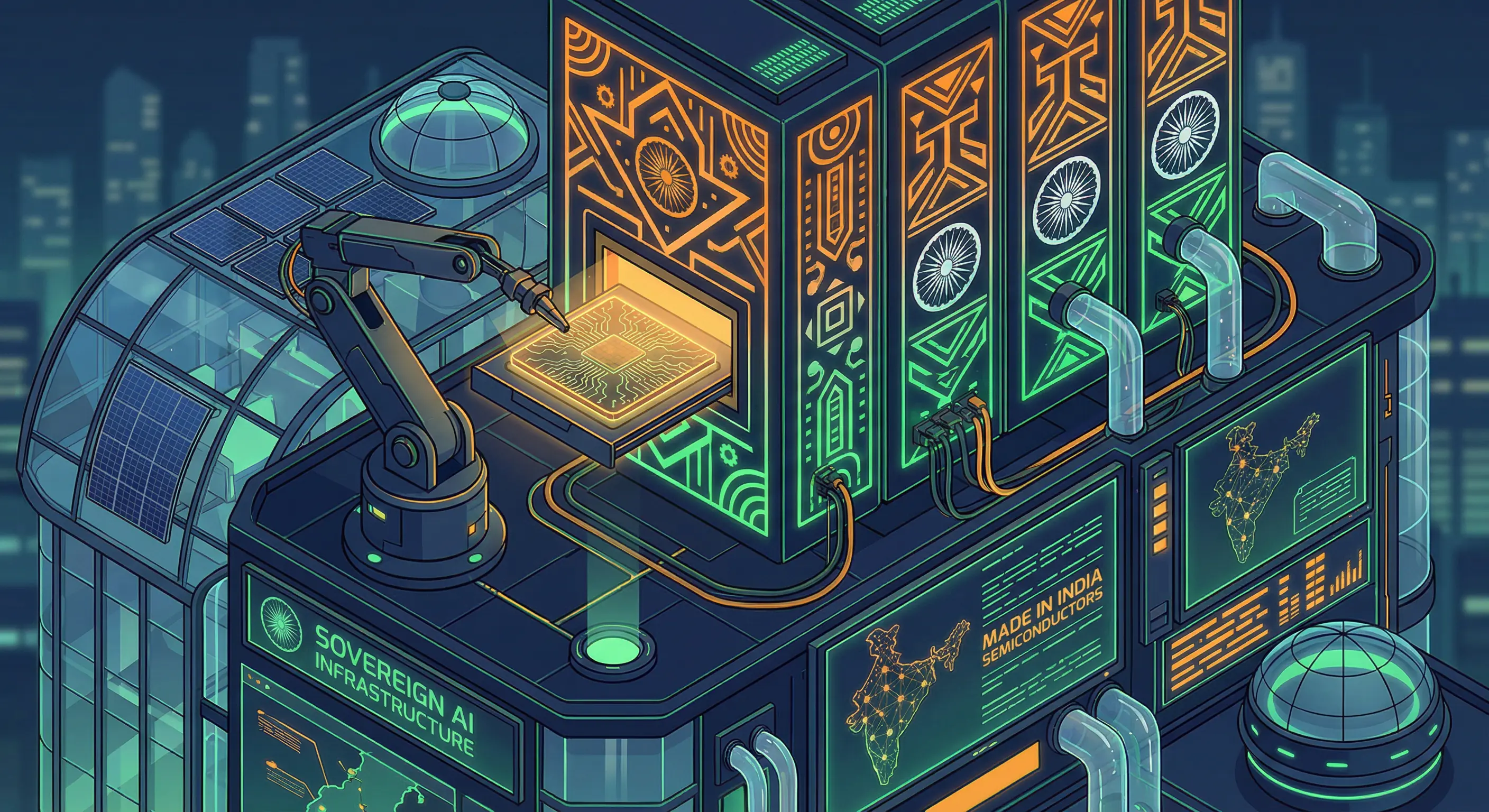
A huge theme was Sovereign AI. India is tired of relying on foreign models. We're building our own compute, securing our own silicon via the India Semiconductor Mission, and funding domestic foundation models.
The message is clear: India wants to be a builder, not just a user.
The Rise of India’s Indigenous LLM Efforts
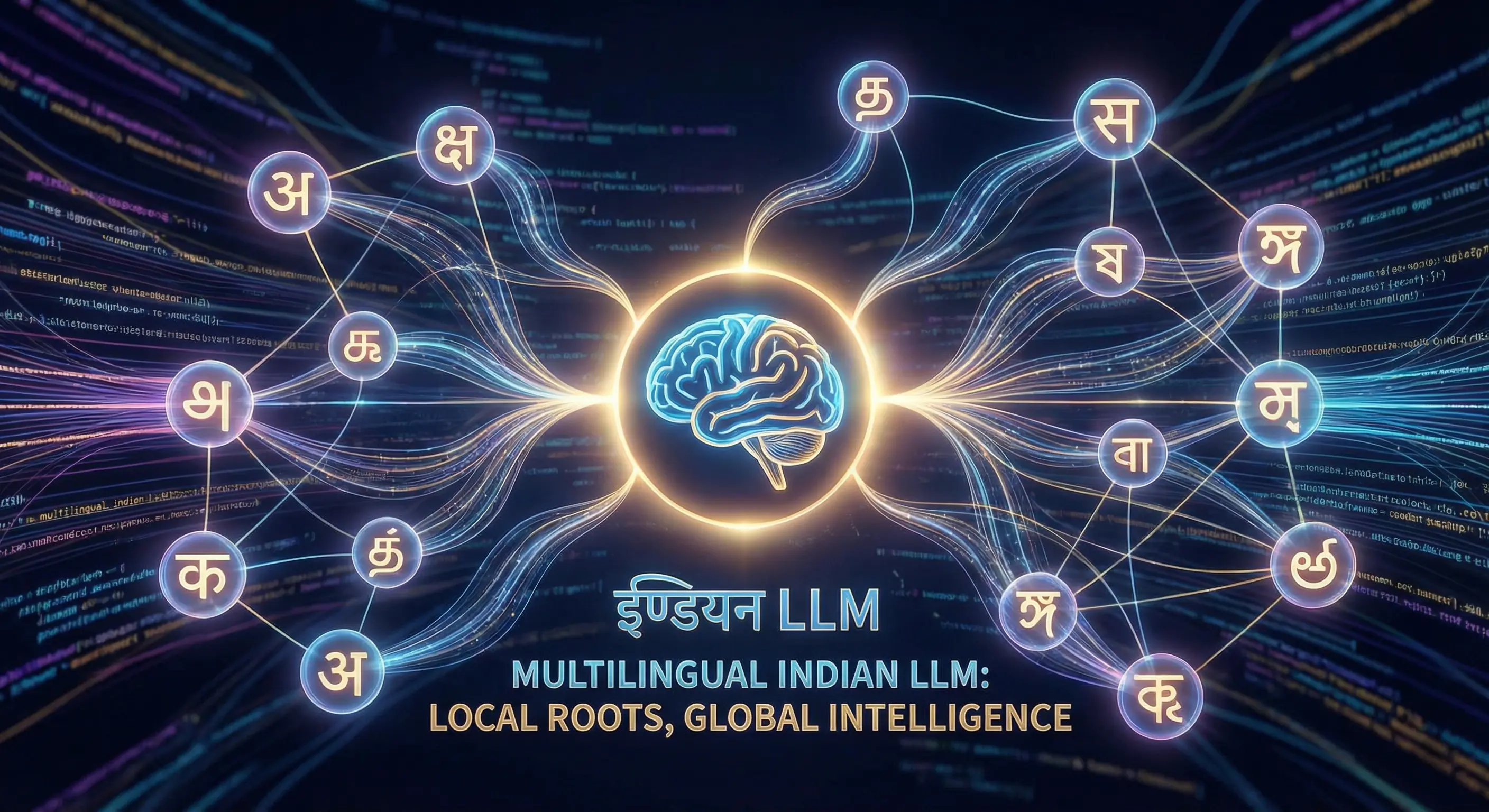
We're seeing a race to build LLMs that actually understand India. Startups like Sarvam AI and Krutrim aren't just wrapping GPT-4; they're building models for our languages and our constraints. Western models often fail on low-resource Indian languages. We're fixing that.
India’s Emerging AI Startup Wave
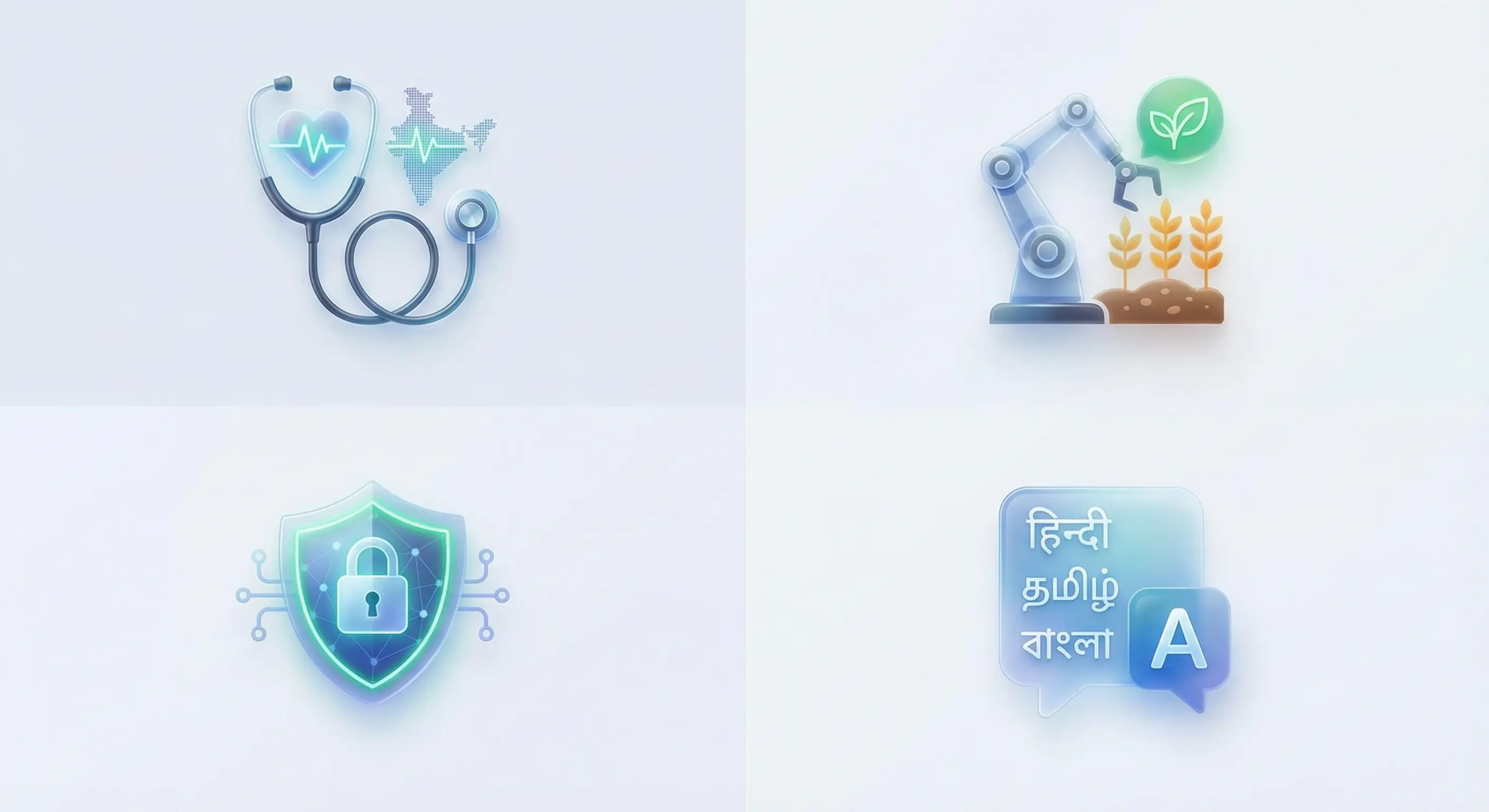
It's not just big tech. A wave of startups is building the application layer. Companies like Yellow.ai and Qure.ai are solving real problems in healthcare and enterprise. They aren't building toys; they're building cost-efficient, scalable tools for Bharat.
AI Is Converging with Full-Stack Development
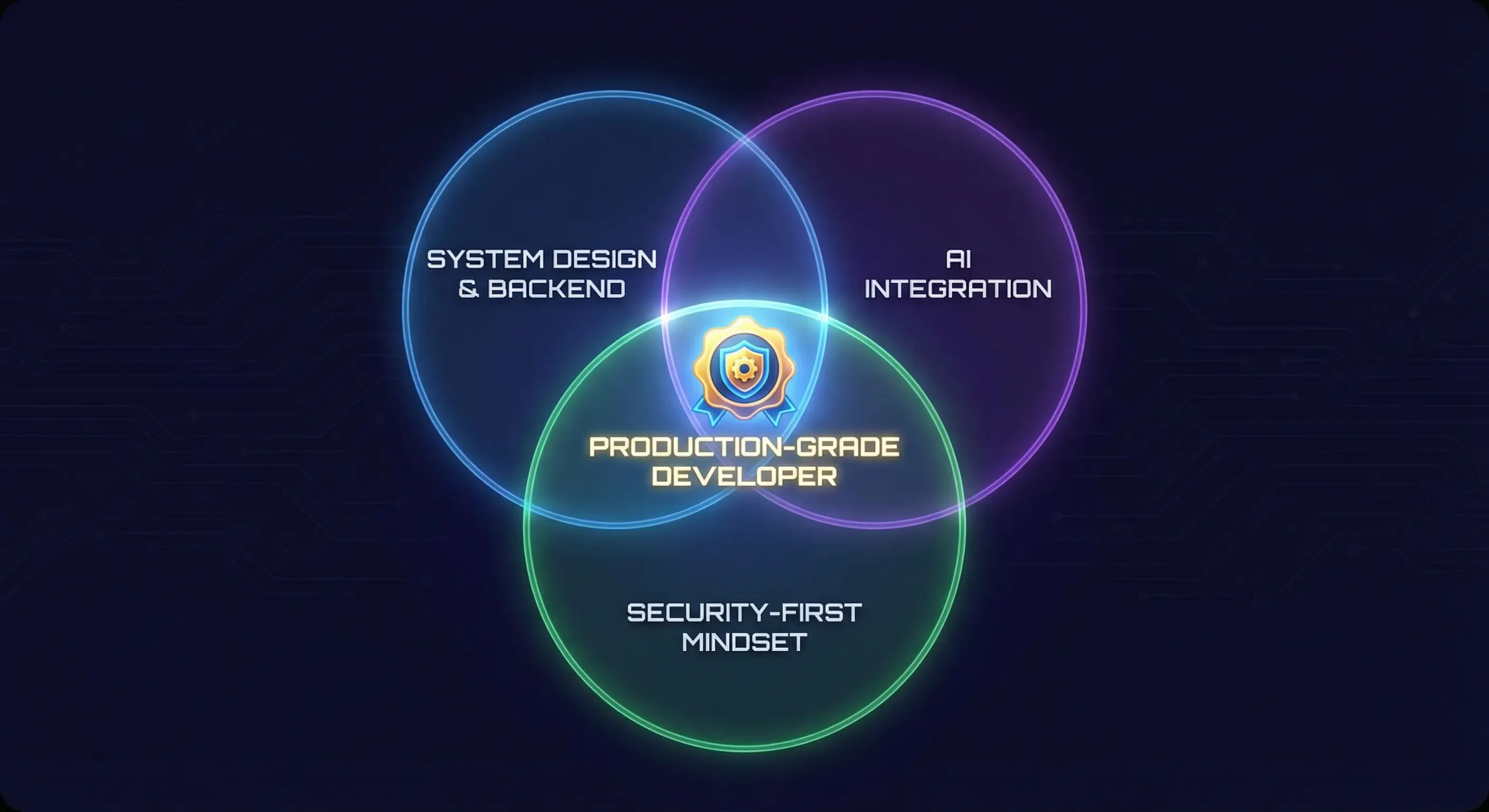
AI has left the lab. It's in web apps, security systems, and dev tools. The best developers won't just be ML researchers; they'll be full-stack engineers who know how to bake AI into a product. That's our sweet spot.
The Hype vs Reality Gap
Let's cut through the noise. Wrapping a ChatGPT API isn't a career. Cloning a repo isn't engineering. Recruiters see right through "prompt engineering" experts. The industry needs builders who understand systems, not just API calls.
The Real Risks of Rapid AI Adoption
Fast adoption brings new bugs. Prompt injection, data leaks, and hallucinations are the new buffer overflows. If you can build with a security-first mindset, you're already ahead of the pack.
Skills That Will Actually Matter
So, what actually gets you hired? It's not just knowing PyTorch. It's backend design—handling auth, scaling, and databases for AI apps. It's data engineering. It's security. And yes, ML literacy—knowing when not to use AI is just as important as knowing how.
1. Backend and system design
AI features still need authentication, databases, scaling, and monitoring. Without this, AI apps remain demos.
2. Data handling and pipelines
Real AI systems depend on clean data flows. Data engineering is quietly becoming a superpower.
3. Security awareness (often ignored)
Most beginner AI projects ignore security. Prompt injection and API key exposure are real risks. This security-first mindset is something I explored while building Vaultary.
4. ML literacy (not necessarily deep research)
You don’t need a PhD. But you should understand how models behave and their limitations. This prevents cargo-cult engineering.
5. AI-Assisted Learning & Productivity
Use AI to learn faster. Don't just let it write your code; use it to explain complex topics or debug weird errors. Being able to learn a new stack in a weekend with an AI tutor is a superpower.
Where Student Developers Have the Real Opportunity
We probably won't train the next GPT-5 in our dorm rooms. But we can build the infrastructure and apps on top of it. Micro-SaaS, RAG systems, observability tools—that's where the leverage is. Don't just build a chat app; build a system that solves a real problem.
What This Means for My Own Roadmap
This summit confirmed my own roadmap. I'm focusing on secure web systems (like Vaultary), solid backend fundamentals, and practical AI integration. The goal is to ship intelligent systems that don't break at scale.
The Future of AI in Education and Tech
The old "lecture-memorize" loop is dying. We're moving to hyper-personalized AI tutors and just-in-time learning. We won't memorize syntax; we'll focus on architecture and problem-solving. Learning how to learn is the only skill that won't go obsolete.

Where India’s AI Ecosystem Is Heading
Expect more AI-first startups, tighter regulations, and deeper integration. For us entering the workforce, the timing couldn't be better.
Challenges India Must Still Solve
It's not all smooth sailing. We still need more compute (GPUs are scarce), better datasets for Indian languages, and clearer regulations. Solving these is the next big challenge for the ecosystem.

Final Thoughts
The takeaway? AI is infrastructure now. The winners won't be the ones chasing trends, but the ones with strong fundamentals who use AI as a force multiplier. As students, we have time to experiment. Use it to build something hard.
Disclaimer: This article was written and edited by Pranav R. AI tools were used for assistance with drafting and visual assets.